Most Leonia sellers think of the buried oil tank as a home-inspection risk. It isn't. By the time a buyer's inspector spots a fill pipe in the side yard, the seller has already lost the negotiation. The tank becomes a pre-listing decision, or it becomes the reason attorney review collapses.
That framing matters because Leonia's housing stock is unusually exposed. The borough's vintage Capes, cottages, and colonials were built for oil heat, and many were converted to gas decades ago without documented removal. The tank stayed in the ground. The paperwork, if it ever existed, went with the second or third owner.
The Friction That Shows Up in Attorney Review
New Jersey's three-day attorney review window is where oil tank deals actually die. A buyer can accept a house with a properly abandoned tank on Sunday and back out on Wednesday after their attorney explains the environmental liability, the mortgage exposure, and the resale problem they'll inherit.
The buyer pool is very limited for buyers willing to buy a home that has an abandoned underground oil tank because the buyer doesn't want to inherit some problem in the future, and deals repeatedly fall out of attorney review because once the buyer talks to their buyer's attorney, they won't proceed unless the seller agrees to remove the tank. That pattern is the entire reason to handle the tank before you list, not during a live contract.
Timing sharpens the point. Homes in Leonia sell after 91 days on the market compared to 70 days last year. A seller who loses a contract to attorney review in the current market isn't back on the market the next week. They're back on the market visibly stale, with a tank issue any subsequent buyer's attorney will discover in the disclosure history.
Why Leonia Homes Are the Higher-Probability Profile
The state-level numbers are large enough to feel abstract. By 2020, estimates showed over 100,000 USTs remained in residential properties across the state. The Leonia-specific interpretation is what matters: a borough dominated by pre-1980 single-family houses that were originally oil-heated is the exact profile where those tanks concentrate.
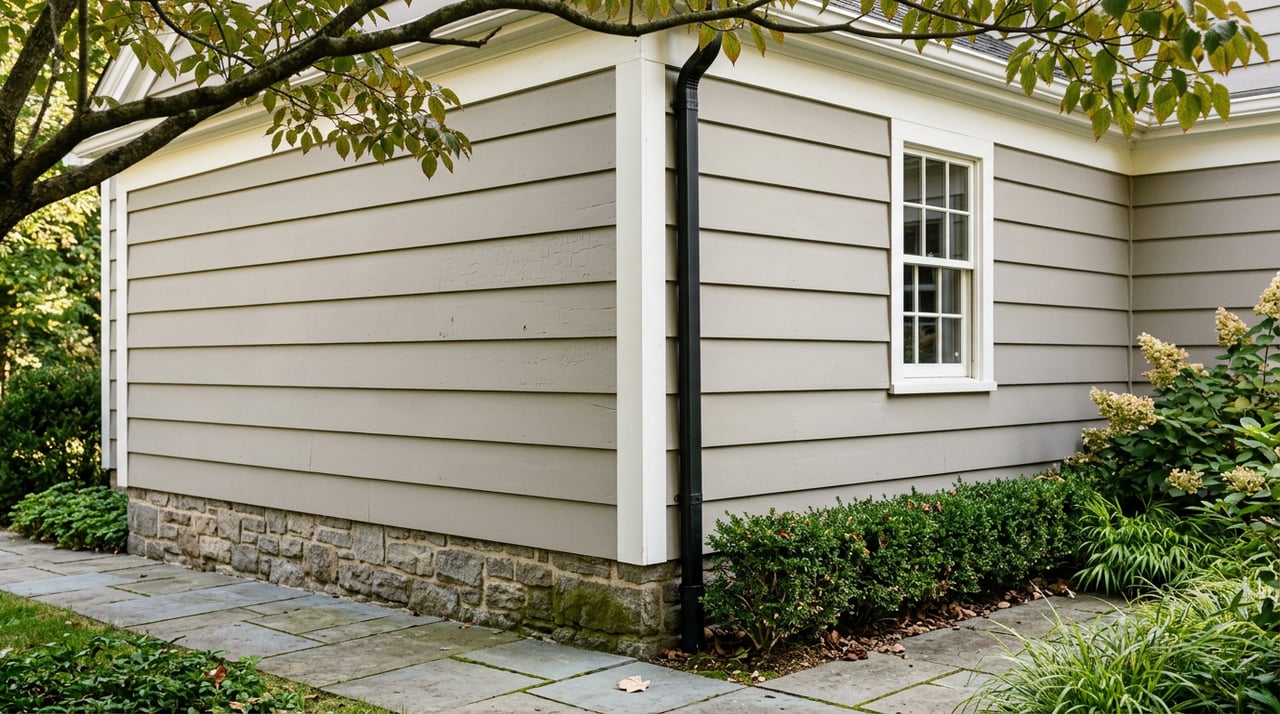
The tell-tale signs are on the property, and they carry legal weight even if the tank is long gone. An old fill pipe near the foundation counts as physical evidence a tank existed. Vent pipes above the grade, patched asphalt where lines ran to a former boiler, and abandoned copper stubs in the basement all raise the same duty. Once you know, or reasonably should know, you have to disclose.
That's the trap for long-tenured owners who converted to gas in the 1990s and stopped thinking about it. Sellers who claim ignorance face scrutiny. Courts consider the pattern of ownership. If you converted from oil to gas, you clearly knew an oil tank existed at some point, and claiming you didn't know what happened to it won't hold up.
What the Disclosure Form Actually Requires
New Jersey's Seller's Property Condition Disclosure Statement asks about oil tanks by name. It is a legal document, not a marketing courtesy, and it asks about active tanks, inactive tanks, previously removed tanks, and prior contamination history. Buyers get to see it. Their attorneys read it carefully. Their lenders read it too.
The "I don't know" checkbox does not protect a seller who has physical evidence on the property. It arguably makes the exposure worse because it puts an affirmative answer on the record that a later discovery can contradict. Title insurance is not the safety net people assume it is. Environmental contamination is a standard exclusion, which means the seller is the party a future buyer sues.
The Cost Structure That Should Drive the Decision
The reason to run the numbers is not to price a project. It is to see how much smaller the pre-listing decision is than any of its alternatives.
| Scenario | Typical NJ cost range |
|---|---|
| Pre-listing tank sweep (GPR or magnetometer) | around $250 |
| Aboveground tank removal | $1,500 to $2,500 |
| Underground tank removal, no contamination | roughly $1,750 to $4,500 |
| Soil remediation if contamination is found | $3,000 to $15,000, higher for larger releases |
| Complex remediation cases | $10,000 to $100,000+, NJ median around $20,000 |
| Conversion to gas after a legacy oil system | budget around $10,000 |
Those figures come from environmental contractors and NJ real-estate attorneys who work the transaction repeatedly. The average cost of a tank sweep in New Jersey is about $250, which is a small price to pay for some peace of mind, and compared to the considerable financial liability associated with a possible future environmental cleanup, it's a no-brainer. Remediation expenses after a leak can range from $10,000 to over $100,000, with the median cost for cleanup in New Jersey around $20,000, and complex cases exceeding that.
The interpretation for a Leonia seller sitting on decades of equity: the $250 sweep is not the expensive number in that table. The expensive number is the mid-contract renegotiation you didn't plan for, which arrives at exactly the moment your leverage is lowest.
The Financing Angle Sellers Forget
A buyer's willingness to accept a tank is not the same thing as a lender's willingness to finance one.
Most conventional lenders won't approve loans with known underground storage tanks or tanks that lack proper closure documentation, and FHA explicitly requires resolution of underground tank issues before closing. That constraint shrinks the buyer pool to cash offers, which in Leonia means competing with investors and pricing the house accordingly.
Sellers who assume the transaction can be papered around the tank often find the lender pulls the loan late. Some lenders are hesitant to make a loan on a property that has an abandoned oil ground tank even if permits exist, and sometimes the loan gets pulled or the lender insists the tank has to be removed. That happens after appraisal, after inspection, after the seller has taken the house off the market for weeks. The seller then chooses between removing the tank on the lender's clock or restarting.
The Pre-Listing Sequence That Protects Equity
For a Leonia owner planning to list in the next six months, the sequence matters more than any single step.
- Walk the property with an environmental contractor, not just the home inspector. Fill pipes, vent lines, unexplained patches in the yard, and abandoned copper in the basement are the flags. A visual walk is free or bundled with a sweep.
- Order a tank sweep before pricing conversations. GPR and magnetometer scans typically produce a written report within one business day, and the report becomes part of your listing file whether the result is positive or negative.
- If a tank is found, hire an NJDEP-certified removal contractor directly. The contractor pulls the municipal permit, the township inspector observes the excavation, and soil samples get taken at the moment the tank comes out.
- Document everything with an NFA letter or closure report. When soil is clean or has been remediated, NJDEP issues a No Further Action letter. That single document is what the buyer's attorney, the buyer's lender, and the buyer's title company all want to see.
- Check eligibility for the NJ UST Fund. The Petroleum Underground Storage Tank Remediation, Upgrade, and Closure Fund can offset costs for qualifying homeowners, though the funding process is not fast and should not be assumed for a live transaction. Details are on the NJDEP site.
- Attach the paperwork to the listing. The disclosure statement, the removal permit, the tank inspection sign-off, and the NFA letter travel together. A buyer's attorney who receives that packet during attorney review has nothing to renegotiate.
The order is what protects the deal. Sweeping after a contract is signed inverts the leverage. Sweeping before pricing keeps it.
Selling "With Tank in Place" Is a Narrower Path Than It Sounds
There is a version of this story where a seller lists a home with a properly abandoned tank, discloses fully, and closes to a cash buyer at a price that reflects the discount. It happens. It is not the base case, and it is rarely the highest-net path for a long-tenured Leonia owner.
More often than not most sellers do end up removing the tank, and even sellers who try to sell with the tank in place and have a preliminary agreement often see the deal fall apart during attorney review once the situation has been explained from a legal perspective. The seller who wants to preserve equity, keep the buyer pool wide, and avoid a stress-heavy contract-to-close period removes the tank first. The seller who wants a fast cash sale at a discount can sometimes leave it in the ground. Those are two different plans, and the choice belongs at the listing meeting, not at attorney review.
FAQ
If a previous owner already removed the tank, am I in the clear? Only if you have the paperwork. You need the NJDEP Underground Storage Tank Closure Report, which confirms that the tank was properly removed and inspected. Missing documentation is functionally the same as an unknown tank because the buyer's attorney has no way to verify the removal was compliant. If the paperwork is lost, a fresh sweep and a written report are the shortest path back to a clean file.
Can I offer the buyer a credit at closing instead of removing the tank? You can offer it. Buyers' attorneys typically will not accept it. Post-closing removal transfers environmental liability to the buyer, and if contamination surfaces after the deed transfers, the buyer's recourse against the seller becomes complicated and expensive for both sides. The credit rarely closes the deal.
Does an aboveground tank in the basement create the same problem? It creates a smaller version of the same problem. It still has to be disclosed on the property condition statement, still shows up on the appraisal, and still requires proper decommissioning. The remediation risk is lower because contamination is easier to see, but the disclosure obligation is identical.
How does this interact with a downsizing timeline? Downsizers often have a target closing date tied to a next-home purchase in Florida or a smaller condo locally. The tank issue is the single most common reason those coordinated timelines slip, because a mid-contract discovery adds weeks for permits, removal, inspection, and NFA processing. Building the sweep into the pre-listing month keeps the two closings aligned.
If you are preparing to list a Leonia home that predates the gas conversion era, the tank question belongs in your first strategy conversation, not your first inspection response. Scott Selleck and The Selleck Group work this problem regularly for long-tenured Bergen County owners who want to protect equity and close on their own schedule. Schedule a consultation before the listing photos, not after the offer.