What to Know About Selling a Home with Solar Panels in 2025: Pros, Cons, and Buyer Questions
Solar panels are a hot trend—literally and figuratively. With rising energy costs and buyer focus on green living, many sellers hope solar will boost their home’s marketability and price. But making the most of a solar-equipped home sale requires strategy and full disclosure. Here’s what sellers (and buyers) should know in 2025.
1. Do Solar Panels Add Value?
-
Studies show homes with owned solar often sell for more—especially when buyers can see clear energy savings.
-
Leased or financed panels are a different story; new buyers may need to take over payments or renegotiate contracts, which can complicate or delay closing.
2. What Are Buyers Asking About?
Modern buyers are savvy—they’ll likely ask:
-
Is the system owned, leased, or financed?
-
How old are the panels, inverter, and what’s left on warranty?
-
What’s the average monthly energy savings?
-
Are there maintenance records? Any roof repairs or leaks related to installation?
Be prepared to answer with clear, organized info.
3. Pros and Cons for Sellers
Pros:
-
Energy savings and green credentials boost appeal, especially in eco-conscious markets.
-
Owned systems may attract better offers, reduce days on market, and underwrite higher appraised value.
Cons:
-
Leased/financed systems require extra paperwork, lender communication, and sometimes new buyer credit checks.
-
In rare cases, buyers may avoid homes with solar if they sense liability, complexity, or visible roof wear.
4. Disclosure Is Critical
-
Sellers must disclose if panels are leased or under loan—hidden fees or unresolved buyouts can derail deals at the eleventh hour.
-
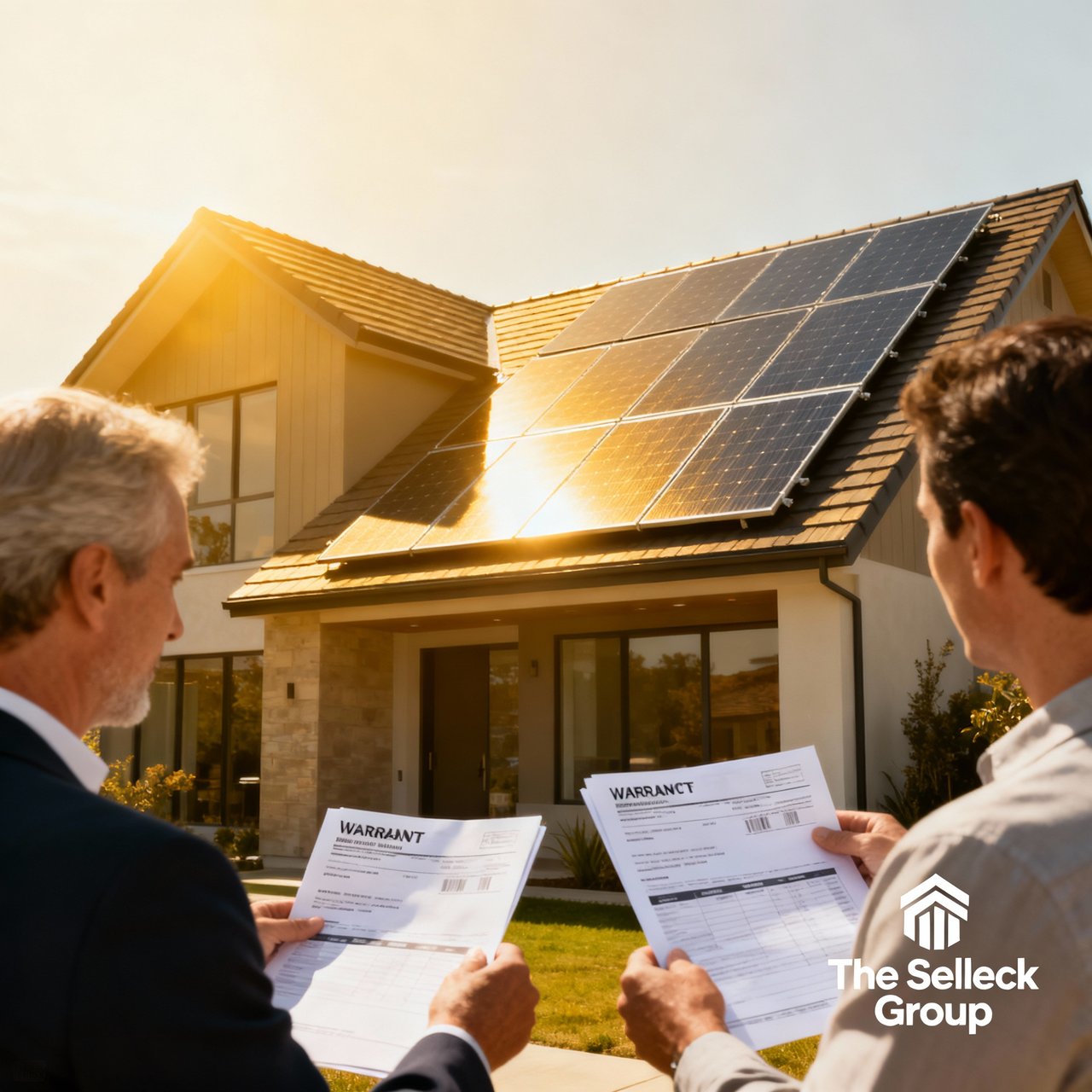
Provide energy bills, warranty paperwork, and installation documents up front.
5. Simple Ways to Maximize Value
-
Highlight average monthly utility savings in your listing and show sheets.
-
Clean panels and ensure system is functioning at inspection (get a maintenance check before listing if possible).
-
Partner with a local agent familiar with solar homes and how to market their value.
Takeaway
Solar can be a powerful selling asset in 2025—but only if you handle details, documents, and buyer communication proactively. More transparency, more value, and far fewer surprises at the closing table!
Meta Description:
Selling your home with solar panels? Learn how to maximize value, answer buyer questions, and avoid common hang-ups in 2025.Here’s a timely, high-impact blog topic: “What to Know About Selling a Home with Solar Panels in 2025: Pros, Cons, and The Questions Buyers Ask.”
What to Know About Selling a Home with Solar Panels in 2025
Solar panels are everywhere, and they're a big selling point—right? In today’s energy-conscious market, more buyers want green options and lower utility bills. But selling a solar-equipped home is not always simple. Here’s what sellers (and buyers) need to know about marketing, disclosure, and navigating details that impact value.
1. Do Solar Panels Add Value?
They can—but only if buyers understand and trust the benefits. Studies show homes with fully owned panels typically sell faster and for more, thanks to clear savings on electricity for years ahead. Leased or financed panels are a different story: extra paperwork, required credit checks, and transfer costs can complicate—or even kill—the deal.
2. Buyer Questions You Must Be Ready For
Buyers will want to know:
-
Is the system owned, leased, or financed? If leased: How many years and for how much?
-
What’s the warranty status? Who installed them? Can I see maintenance records?
-
How much do they actually save in energy costs?
-
What happens if roof repairs are needed—ahead of or after the sale?
Arm yourself and your realtor with simple, documented answers.
3. The Seller’s Pros & Cons
Pros:
-
Greater appeal among eco-focused buyers.
-
Potential for higher offers and shorter time to close, especially if the system is fully paid and in great shape.
Cons:
-
Leased/financed systems create legal “homework” or might reduce your buyer pool.
-
Panels nearing the end of their life span (or with visible wear) can prompt buyer concerns.
4. Disclosure and Documentation
Be transparent. Provide utility bill averages, contracts, warranties, and statements about recent system checkups. Buyers, agents, and lenders will all want to see these before the deal is finalized.
5. Pro Tips for Maximizing Your Solar Home Sale
-
Have panels cleaned/inspected before listing—showing they’re in great shape is key.
-
Feature before/after utility savings in marketing materials.
-
Seek out an agent with experience in solar home sales.
Final Word
Solar can be a huge asset—if you’re upfront with details and paperwork, and if your system is maintained and ready for the next owner. The result? Smoother deals, happier buyers, and a real boost to your bottom line.