Understanding the Appraisal Gap: What Sellers and Buyers Need to Know in 2025
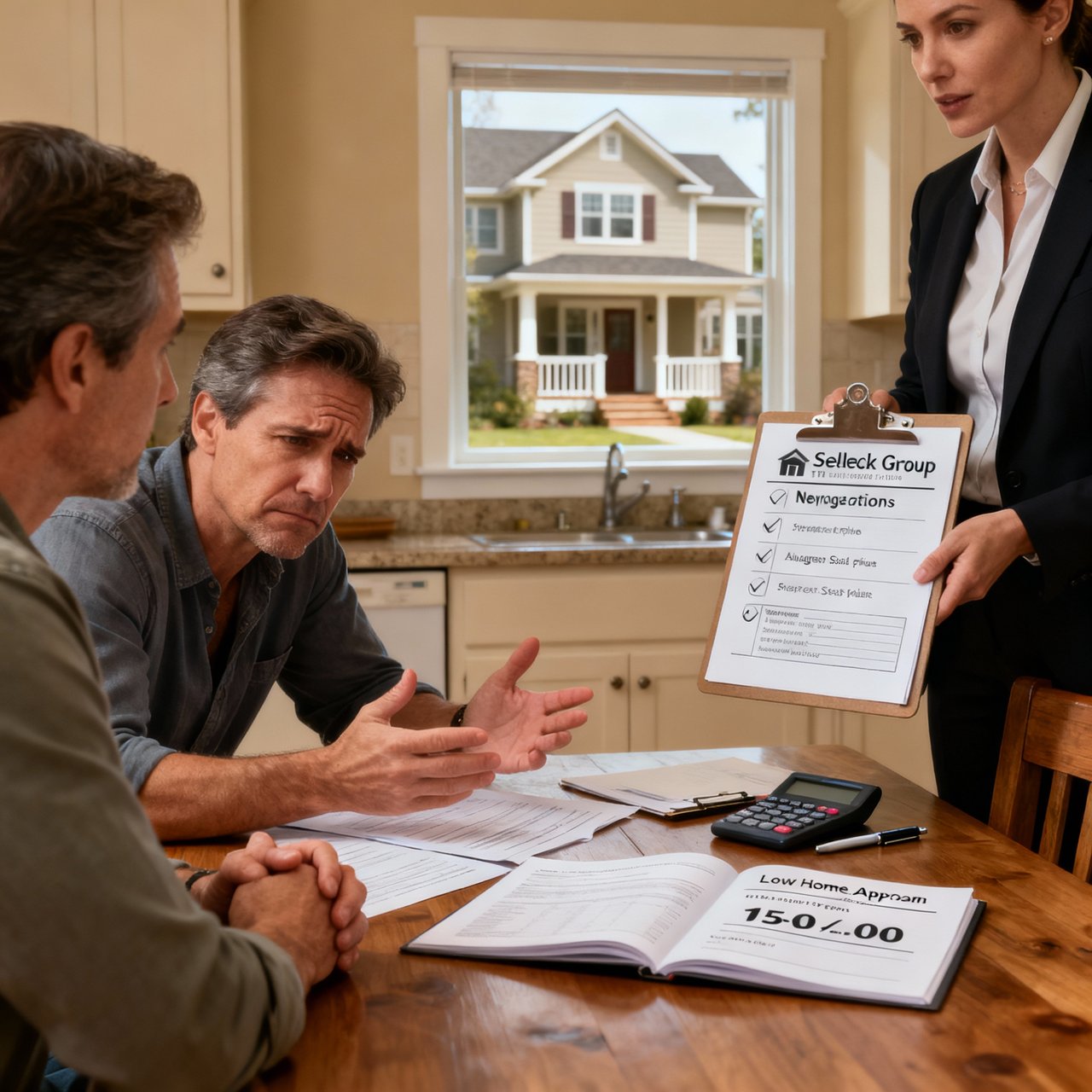
You accepted a great offer and everything seemed perfect—until the appraisal came in low. Welcome to the “appraisal gap,” one of the most frustrating real estate hurdles in today’s market. It’s happening more often, especially in competitive bidding environments, and can threaten deals from both sides. Here’s what sellers and buyers need to know to avoid costly surprises.
What Is an Appraisal Gap?
When a buyer is using financing, the lender requires an independent appraisal to confirm the home's value. If the appraiser values the property below the agreed-upon purchase price, you've got a gap—and someone needs to make up the difference.
Why Is It Happening More in 2025?
-
Rapid price increases can leave appraisals lagging behind market reality.
-
Bidding wars sometimes push offers above what recent comps support.
-
Appraisers rely on recent sales, not future value—so your deal can get tripped up if the market has moved fast.
How Appraisal Gaps Threaten Deals
-
Buyers may not have extra funds to cover the gap.
-
Sellers may have to lower the price, renegotiate, or watch the deal fall apart.
-
Sometimes buyers and sellers agree to split the difference, but not always.
Smart Strategies for Sellers
-
Be realistic about pricing—don’t rely exclusively on bidding war fever.
-
Ask your agent about recent low appraisals in your area.
-
If you get an offer significantly above asking, ask for appraisal gap coverage in the contract (buyer agrees to pay the difference up to X dollars if appraisal is low).
Smart Strategies for Buyers
-
Consider how much cash you can bring to the table if needed.
-
Get your agent to run comps and try to avoid over-offering unless you’re comfortable making up the gap.
-
In competitive markets, some buyers waive the appraisal contingency—just be sure you know the real risk.
Closing the Gap
-
Negotiate: Sellers can offer to meet halfway or cover certain closing costs.
-
Appeal: Sometimes an appraisal can be challenged or reconsidered with better comps.
-
Walk away: If the gap is too big and no agreement is reached, be prepared to let go.
Final Thoughts
The appraisal gap isn’t just a number—it’s a real negotiation point in 2025. Smart planning, an experienced agent, and honest conversations about market realities can save time, money, and stress for everyone involved.
Meta Description:
Learn what an appraisal gap is, why it matters for sellers and buyers in 2025, and how to avoid costly surprises and delays in your next home deal.Here’s a fresh, actionable blog topic you haven’t yet covered: “Understanding the Appraisal Gap: What Sellers and Buyers Need to Know in 2025.”
Understanding the Appraisal Gap: What Sellers and Buyers Need to Know in 2025
It’s the moment everyone dreads—a lender’s appraisal comes back LOWER than the purchase price. Suddenly, there’s an “appraisal gap,” threatening your deal. With today’s fast-changing market, bidding wars, and rising prices, appraisal gaps are more common than ever. Here’s what you need to know to keep your transaction on track.
What Is an Appraisal Gap?
An appraisal gap happens when the appraised value of a home is less than the price the buyer agreed to pay. Lenders base their loan amount on that appraised value, so if it’s low, buyers must cover the difference out of pocket or renegotiate—or risk losing the deal.
Why Are Appraisal Gaps So Common Right Now?
-
Bidding wars and low inventory push prices up faster than recent comparable sales.
-
Appraisers have to lean on recent closed deals, not pending or future market trends.
-
Rapidly changing local markets can leave appraisals behind, even when buyers are ready to pay more.
What Can Sellers Do?
-
Price your home based on real comps, not just highest offers.
-
If you accept an above-market offer, consider requesting “appraisal gap coverage”—buyers agree up front to bring cash to cover any shortage.
-
Partner with an agent who knows how to present supporting data to the appraiser.
What Can Buyers Do?
-
Know your limits—how much extra cash can you contribute if there’s a gap?
-
Avoid waiving the appraisal contingency unless you’re sure you can cover a shortfall.
-
Ask your agent about local trends—are appraisal gaps common in your area?
How to Bridge the Gap
-
Renegotiate the price, split the difference, or offer to cover certain closing costs.
-
Challenge the appraisal if you feel it’s unfair—sometimes additional comps or details can improve the value.
-
Be prepared to walk away if the numbers don’t work.
Takeaway
Appraisal gaps are a negotiation point in 2025, not just a danger. If you’re buying or selling in a competitive market, know your strategy for closing the gap—and work with experts who can guide you through every possibility.