The Cost of Waiting: How Delaying Your Home Sale Can Impact Your Bottom Line in 2025
Thinking of selling, but holding out for just the right moment? In today’s fast-changing market, waiting “just a little longer” might cost you more than you think. Here’s what every homeowner or investor should know about the true cost of waiting to sell.
1. Market Conditions Can Shift Suddenly
Housing markets in 2025 are volatile—interest rates, buyer confidence, and even local demand can change in a matter of months. A hot seller’s market today can cool off quickly, meaning fewer offers and more competition tomorrow.
Key Point: Betting on next season’s “perfect” market can backfire. Even top agents can’t time the market with certainty.
2. Rising Costs Eat Into Profits
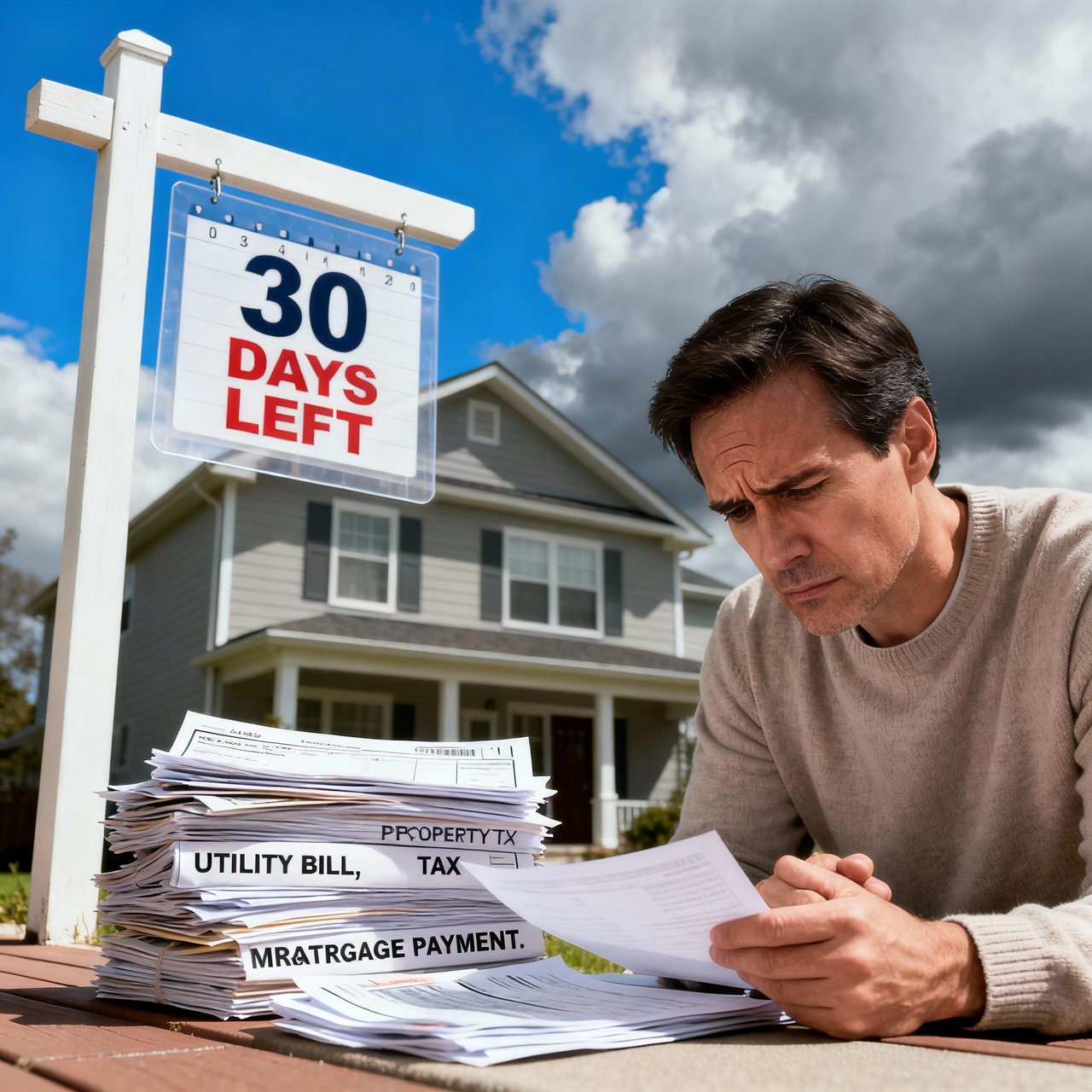
Every month you hold onto your property, you’re paying:
Mortgage interest
Property taxes
Insurance
Utilities
Maintenance and repairs
These “carrying costs” add up, and can quietly eat away at your potential profit.
3. Home Value Depreciation and Deferred Maintenance
Markets don’t always move up. Your home’s value can plateau or drop—especially if needed repairs, wear, or local conditions impact perceptions. Deferred repairs often grow worse (and pricier) the longer you wait.
4. Changes in Buyer Motivations
Today’s buyers may be motivated by remote work or new priorities. These trends shift quickly. Holding out too long could mean your home no longer checks the right boxes for as many buyers.
5. Opportunity Cost: Your Next Chapter
Waiting to sell can delay your own life plans—upgrading, downsizing, or investing elsewhere. The “cost of waiting” isn’t just money; it’s also time lost pursuing new opportunities.
6. Interest Rate Risks
If rates drop, some buyers enter the market. If rates rise, buyers lose affordability and demand may shrink, pressuring prices downward.
7. Tax and Regulatory Changes
New taxes, regulations, or real estate policies can take effect with little notice—further changing your net proceeds or complicating the transaction.
How to Decide: Is It Time to Sell Now?
Calculate your monthly carrying costs versus potential price appreciation.
Have an agent share local market data: How long are homes sitting? Are prices rising or falling?
Consider your personal timeline—sometimes peace of mind is worth more than an extra few thousand dollars.
Talk to a financial advisor about opportunity cost and risk.
Final Thoughts
The “perfect time” to sell almost never arrives. For many, delaying means paying more, risking market downturns, and missing out on new opportunities. An honest conversation with a local expert can help you weigh the real costs—and sell on your terms.
Meta Description:
Thinking about waiting to sell? Learn how delays, rising costs, and market shifts can quietly drain your profits—and what smart sellers do in 2025.Here’s a timely blog topic ready for 2025: “The Cost of Waiting: How Delaying Your Home Sale Can Impact Your Bottom Line.”
The Cost of Waiting: How Delaying Your Home Sale Can Impact Your Bottom Line
Most sellers wonder if holding out for the “perfect” market will net them more. But in today’s fast-moving landscape, the hidden costs of waiting may outweigh the potential gains. Here’s how delays can chip away at your profit—and what to consider before you put your move on hold.
1. Hidden Holding Costs
Every extra month means another round of mortgage payments, taxes, insurance, utilities, and maintenance. These costs quietly add up, reducing what you’ll walk away with at closing.
2. Risk of a Market Shift
Real estate trends can turn quickly. What’s a seller’s market today might cool unexpectedly. You could face less competition and lower offers if the market changes before you’re ready to act.
3. Deferred Maintenance Gets Pricier
Little repairs grow into big expenses the longer you wait. Plus, homes left empty or unmaintained can lose curb appeal, attracting lower offers.
4. Opportunity Cost
Every month you hold your home, you’re delaying your next step—whether that’s buying a new property, investing, or simply changing lifestyle.
5. Changing Buyer Preferences
Buyer priorities can shift as remote work needs and design trends evolve. Waiting too long can mean fewer buyers excited by what your home offers.
6. Potential Tax or Law Changes
Tax laws, transfer fees, or property regulations can shift—sometimes with little notice. Selling now means more certainty, less risk of costly surprises.
Bottom Line:
The perfect window to sell almost never announces itself. Run the math, ask your expert agent for honest advice, and don’t let hidden costs or “what ifs” quietly drain your equity.