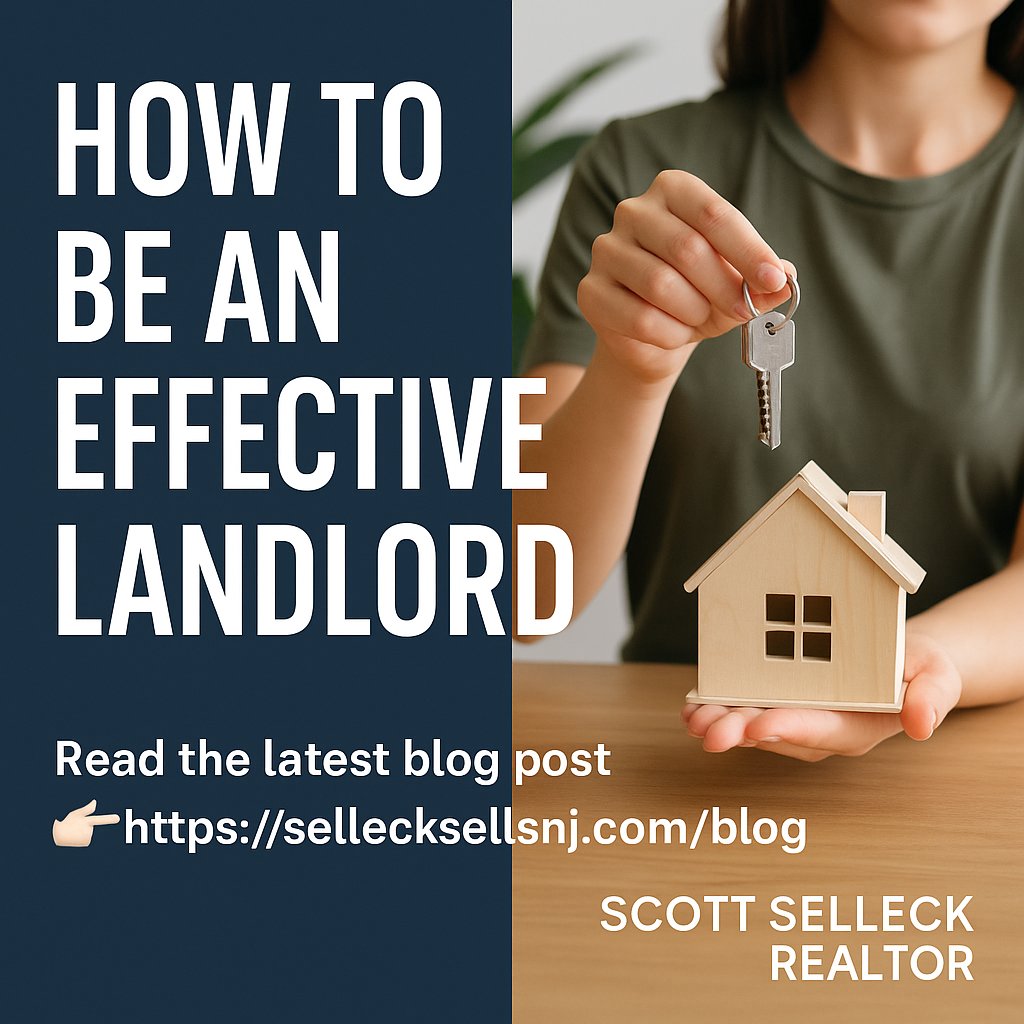
How to Be an Effective Landlord
What does it take to be a successful landlord in today’s real estate market?
Owning rental property can be a smart way to generate income and build long-term wealth, especially in areas like Bergen County where demand for rentals remains strong. But being a landlord isn’t just about collecting rent—it’s about building positive tenant relationships, protecting your investment, and managing your property effectively.
Here are key strategies that separate effective landlords from the rest.
Start with the Right Property
Success begins before the first tenant moves in. A property that’s well-located, safe, and functional will naturally attract stronger tenants. Look for:
-
Proximity to public transit, shopping, and amenities
-
Functional layouts and livable space
-
Low-maintenance features (durable flooring, reliable systems)
Choosing the right property helps minimize turnover and repairs while keeping tenant satisfaction high.
Screen Tenants Thoroughly
Finding reliable tenants is the foundation of effective property management. Always:
-
Conduct credit and background checks
-
Verify employment and income
-
Check references from past landlords
This step reduces risk and helps you avoid costly tenant issues down the road.
Put Everything in Writing
A clear, detailed lease agreement protects both you and your tenant. Make sure it covers:
-
Rent amount and due dates
-
Security deposits
-
Rules on pets, smoking, or subletting
-
Responsibilities for maintenance and repairs
A strong lease sets expectations early and prevents misunderstandings.
Maintain the Property Proactively
Effective landlords don’t wait for things to break. Stay on top of:
-
Seasonal maintenance (heating systems, gutters, landscaping)
-
Prompt repairs when tenants report issues
-
Periodic inspections to spot small problems before they grow
Well-maintained properties attract quality tenants and protect your investment.
Communicate Clearly and Respectfully
Good tenant relationships are built on communication. Be:
-
Responsive to questions and maintenance requests
-
Clear about policies and expectations
-
Respectful of tenant privacy by providing notice before visits
Happy tenants are more likely to renew leases, reducing costly turnover.
Understand the Financial Side
Being an effective landlord means treating your rental as a business. Stay on top of:
-
Rental pricing based on market trends
-
Expense tracking for maintenance and repairs
-
Tax advantages and deductions available to property owners
Partnering with an accountant familiar with real estate can help maximize your return.
Know the Local Laws
Every municipality has rules governing rentals. In Bergen County, that can include:
-
Registration requirements for rental properties
-
Building code compliance
-
Local ordinances on safety and habitability
Staying compliant protects you from fines and legal disputes.
Consider Professional Management
If managing tenants and maintenance feels overwhelming, hiring a property management company can be worthwhile. They handle the day-to-day operations, while you focus on the bigger picture.
The Bergen County Advantage
In towns like Fort Lee, Leonia, and Ridgefield Park, demand for rentals is steady thanks to commuter access and limited housing supply. That makes effective landlords especially well-positioned to benefit—if they manage their properties strategically.
Final Takeaway
Being an effective landlord requires more than collecting rent—it’s about balancing tenant care with smart business practices. From screening tenants to maintaining the property and staying on top of finances, the effort you put in directly impacts your success.
Thinking about becoming a landlord—or refining your current approach? Let’s talk about strategies to maximize your investment.
📞 Schedule a Consultation Call Today with Scott Selleck — 201-970-3960 or [email protected].
#BergenCountyRealEstate #LandlordTips #ScottSelleckRealtor #NorthernNJRealtor #KWCityViews